Nano Banana 2 VS Pro: 7 Key Differences You Need to Know (2026)
The Comparison That Actually Matters
If you’ve been trying to figure out whether to use Nano Banana 2 or Nano Banana Pro for your next project, you’re not alone. Since Google released Nano Banana 2 in February 2026, it’s become one of the most searched questions in the AI image generation space.
Both models are powerful, both support 4K output, and both come from the same family – so what’s actually different? In this guide, we break down 7 core dimensions – architecture, speed, image quality, pricing, features, text rendering, and use cases. Then, you can make the right call for your workflow.
Overview of Nano Banana 2 and Nano Banana Pro
Nano Banana Pro was Google’s flagship AI image generation model before Nano Banana 2 arrived. Built on the Gemini 3 Pro architecture, it was designed for professional-grade creative work – think brand campaigns, high-fidelity hero images, and complex multi-subject scenes where precision and consistency are non-negotiable. It’s a deliberate, quality-first model that “thinks through” every generation.
Nano Banana 2 is the next-generation model, built on the Gemini 3.1 Flash architecture. Rather than replacing Pro, it shifts the philosophy entirely: from craftsmanship to creative velocity. Nano Banana 2 is optimized for speed, scalability, and accessibility – making it the default image model in the Gemini app as of February 26, 2026. It introduces exclusive features like Image Search Grounding and Thinking Mode, and adds a low-cost 0.5K resolution tier that Pro doesn’t offer.
In short: Pro is the studio camera. NB2 is the smartphone camera. Both take great photos – but they’re built for different moments.
Nano Banana 2 vs Pro: Core Differences at a Glance
| Dimension | Nano Banana 2 | Nano Banana Pro |
| Architecture | Gemini 3.1 Flash | Gemini 3 Pro |
| Generation Speed | 4-6s (1K resolution) | 10-20s (1K resolution) |
| Image Quality | ~95% of Pro | Highest in family |
| Price (2K) | $0.101/image | $0.134/image |
| Price (4K) | $0.151/image | $0.240/image |
| Text Rendering | ~92% accuracy | ~94% accuracy |
| Max Resolution | 4K (4096px) | 4K (4096px) |
| Aspect Ratios | 14 types | 10 types |
| Image Search Grounding | ✓ | ✗ |
| Thinking Mode | ✓ | ✗ |
| 0.5K Resolution Tier | ✓ | ✗ |
| Batch Mode (50% off) | ✓ | ✓ |
7 Key Differences: Deep Comparison
1. Real-World Knowledge
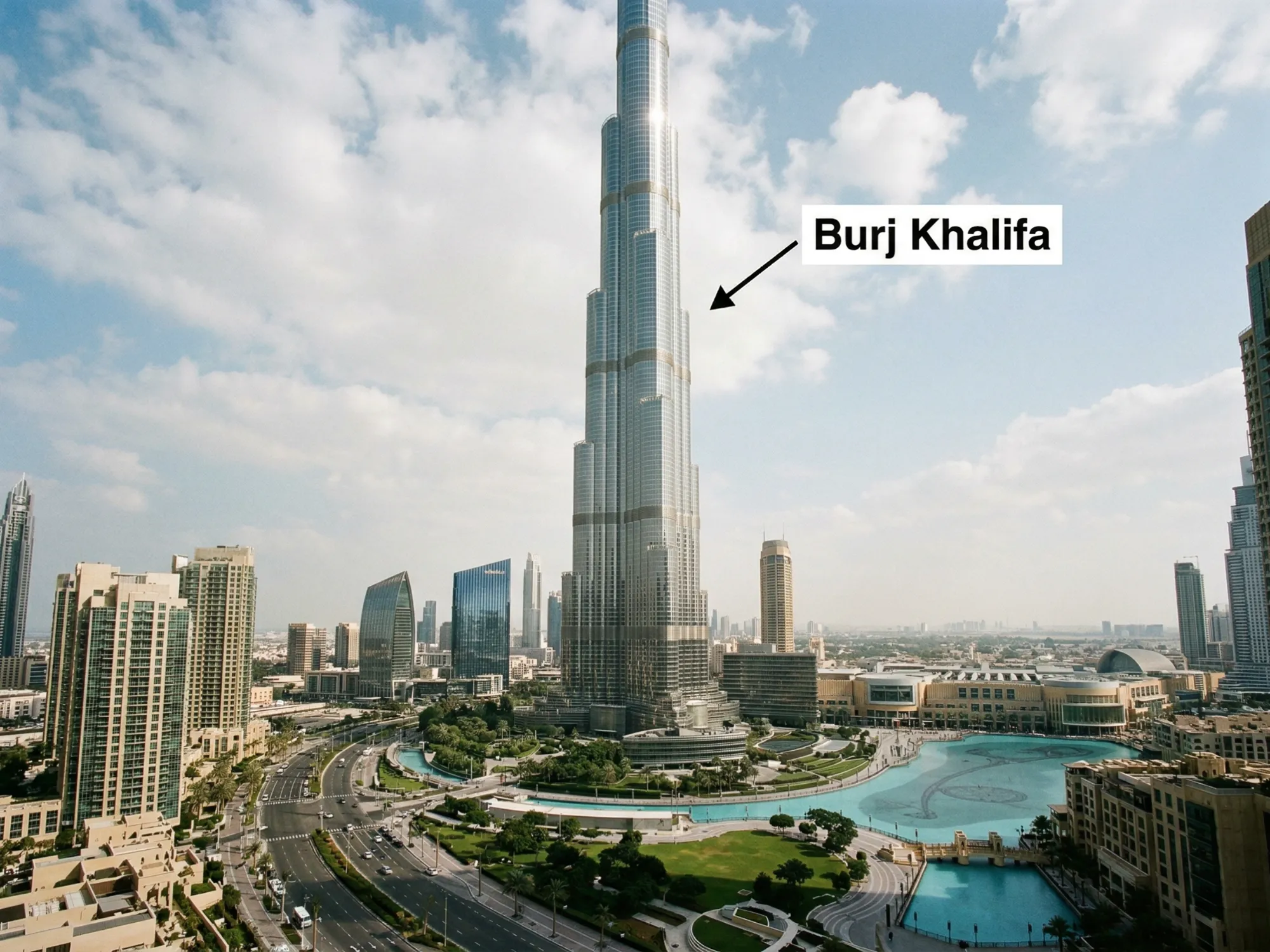
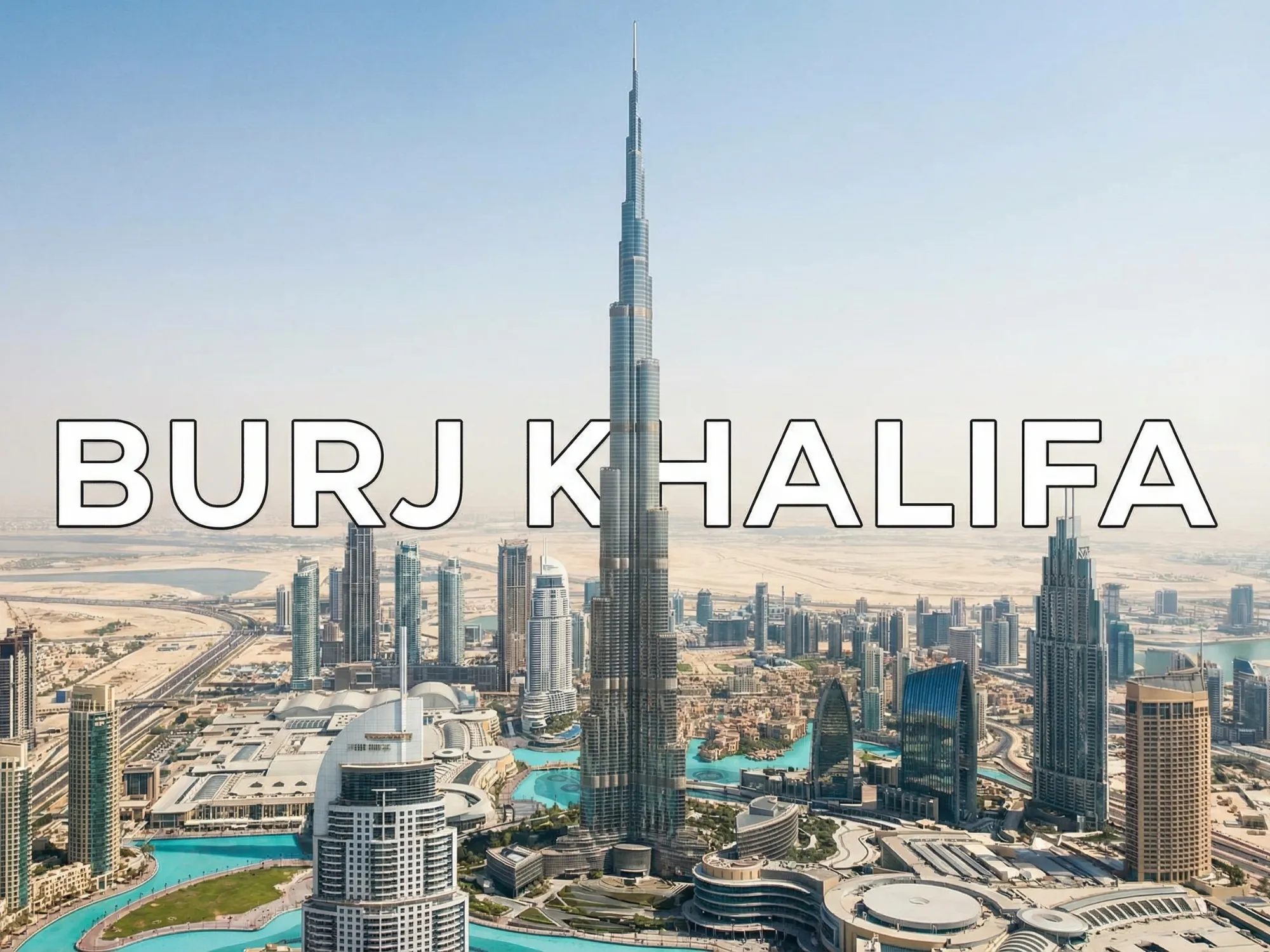
One of NB2’s biggest upgrades is built-in web access – previously exclusive to Pro. To test it, I gave both models the same prompt: generate an image of the current tallest building in the world and label it.
Nano Banana 2 nailed it – a clean render of the Burj Khalifa with the name labeled naturally inside the image. Nano Banana Pro got the building right too, but awkwardly placed the label in a small text box at the bottom-left corner. Nano Banana 2 doesn’t just match Pro on real-world knowledge – it presents it more cleanly, at a lower cost.
| Nano Banana 2 | Nano Banana Pro |
 |  |
2. Architecture and Underlying Philosophy
The most fundamental difference is the model each is built on. Nano Banana Pro uses Gemini 3 Pro – Google’s flagship reasoning model – giving it deeper scene understanding and more deliberate generation. Nano Banana 2 runs on Gemini 3.1 Flash, optimized for inference speed without sacrificing most of Pro’s quality. This architectural choice cascades into every other difference on this list.
3. Generation Speed
Speed is where Nano Banana 2 wins decisively. At 1K resolution, NB2 generates images in 4–6 seconds, compared to 10-20 seconds for Pro. At 4K, Nano Banana 2 takes 15-30 seconds versus Pro’s 30-60 seconds. For API-driven products or bulk workflows requiring thousands of images, this 3-5x speed advantage is transformative.
4. Image Quality
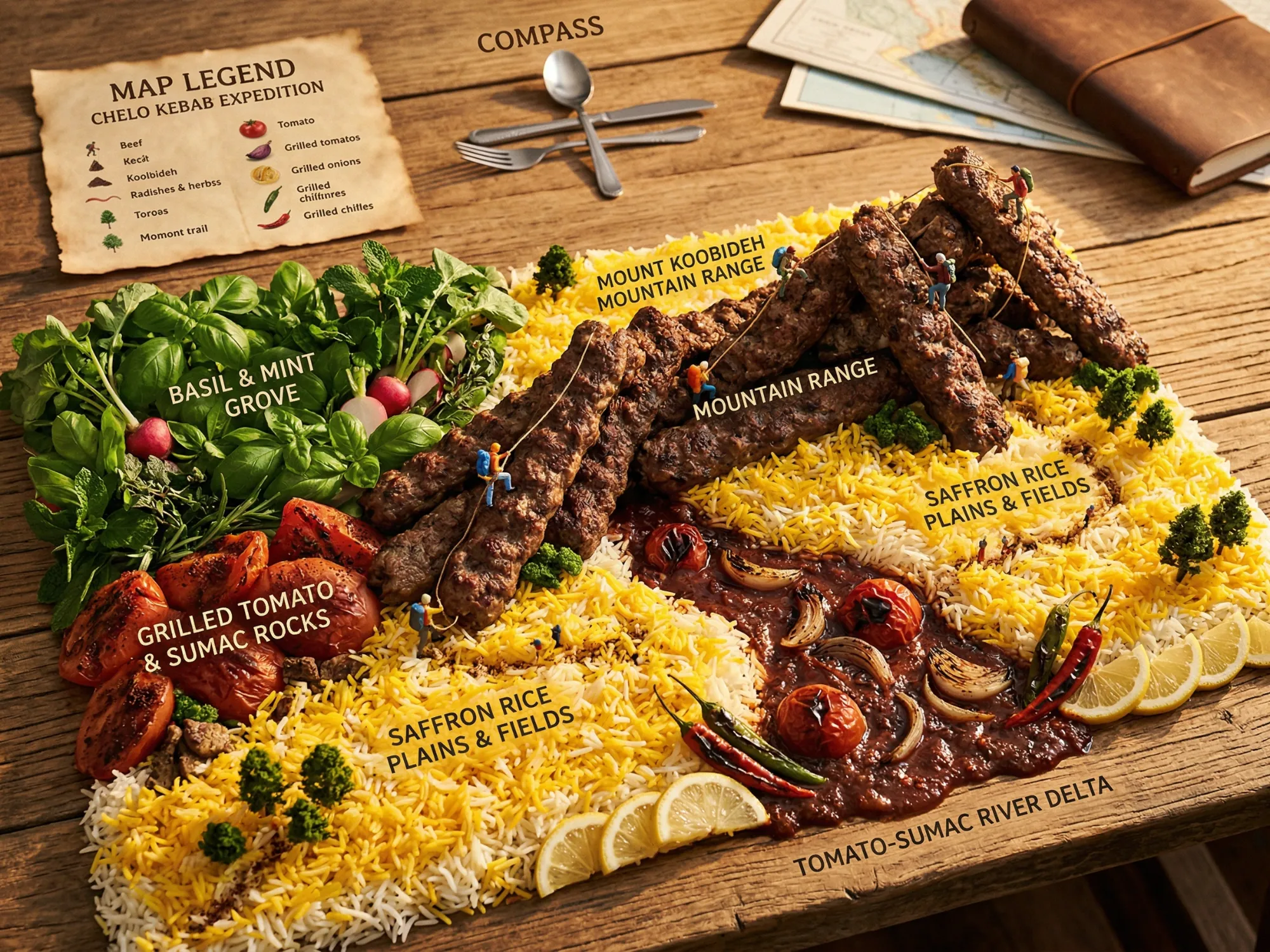
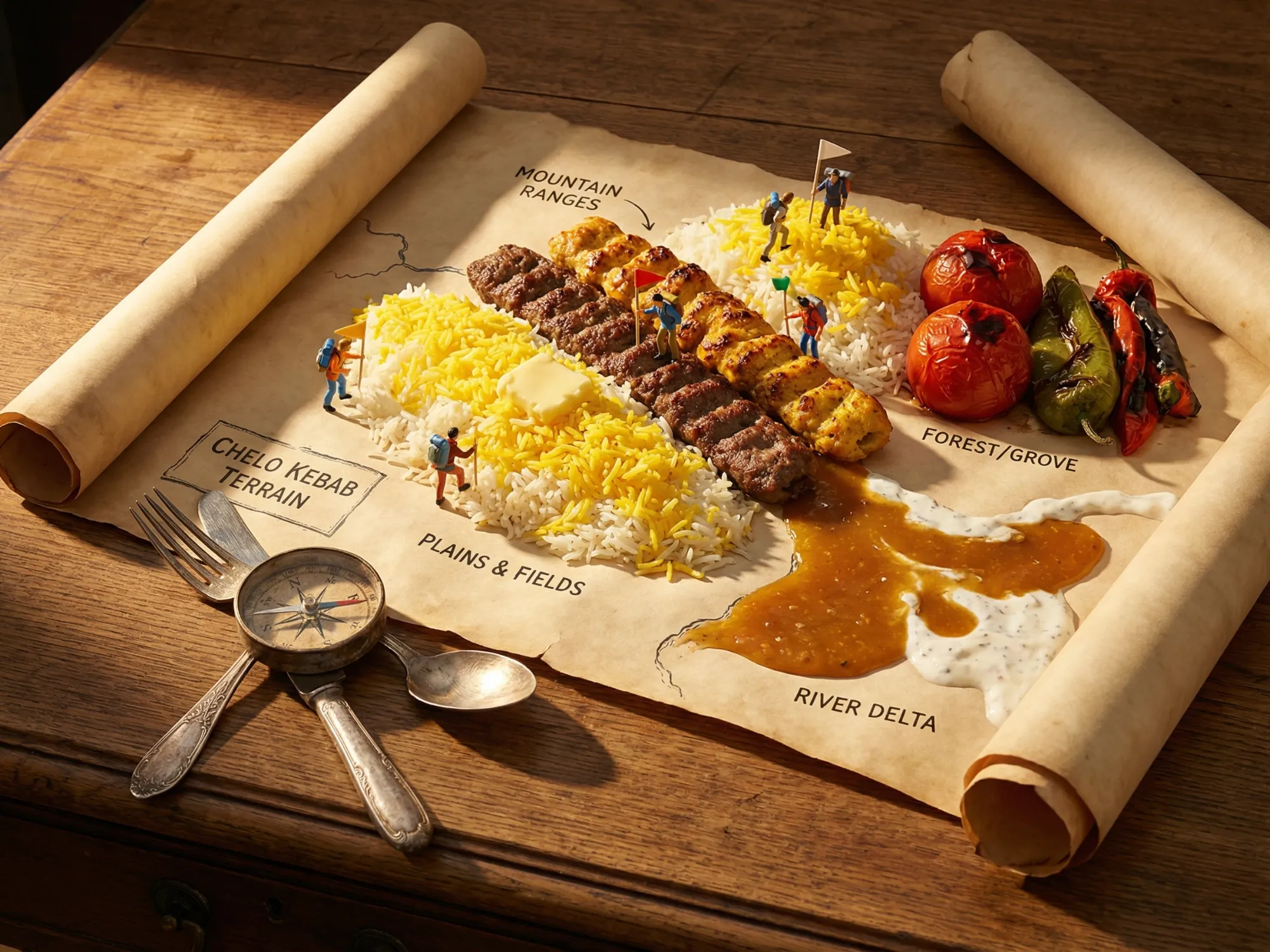
Pro still holds the edge in absolute image quality – richer textures, more natural lighting and shadows, and superior spatial composition. However, Nano Banana 2 reaches approximately 95% of Pro’s quality in most real-world scenarios, and the difference is barely visible without pixel-level inspection. Notably, Nano Banana 2 actually outperforms Pro for Chinese text rendering, making it the stronger choice for East Asian markets.
| Nano Banana 2 | Nano Banana Pro |
 |  |
5. Exclusive Features
Nano Banana 2 ships with two capabilities Pro doesn’t have. Image Search Grounding lets the model retrieve real-world reference images via Google Search during generation – dramatically improving accuracy for landmarks, logos, and well-known subjects. Thinking Mode offers three levels (Minimal, High, Dynamic), letting developers tune the speed-quality balance per request. These aren’t incremental updates; they represent a fundamentally more flexible model.
6. Text Rendering and Multilingual Support
Both models support multilingual text rendering inside images, but their strengths differ. Pro scores slightly higher on pure character accuracy (~94% vs ~92%), but Nano Banana 2 handles complex Chinese layouts and global campaign visuals more effectively. For international content teams producing ads, social media graphics, or product labels across multiple languages, Nano Banana 2 is the more practical choice.
| Nano Banana 2 | Nano Banana Pro |
 |  |
7. Aspect Ratios and Format Flexibility
Nano Banana 2 supports 14 aspect ratios versus Pro’s 10. The four additions – 1:4, 4:1, 1:8, and 8:1 – cover ultra-wide banners, vertical formats, and app splash screens that Pro simply can’t output natively. For multi-platform content strategies, this flexibility matters more than it might initially seem.
When to Choose: Match the Right Model to Your Workflow
Choose Nano Banana 2 when:
- You’re generating content at scale (e-commerce catalogs, social media, A/B testing).
- Speed and throughput are critical to your product or pipeline.
- You’re prototyping or iterating quickly on creative concepts.
- Your content includes multilingual text or targets non-English markets.
- Cost efficiency is a priority – especially at 2K or 4K resolution.
Choose Nano Banana Pro when:
- You’re producing high-stakes, brand-critical assets where every pixel matters.
- Consistency across a series of images is essential (character sheets, campaign sets).
- You’re working on complex compositions with multiple subjects and precise lighting requirements.
- You need the highest possible fidelity for print or large-format output.
Use both strategically: Many production teams adopt a tiered workflow – Nano Banana 2 at 0.5K or 1K for rapid ideation, NB2 at 2K for refinement, and Pro at 4K only for final hero asset delivery. This hybrid approach can reduce overall generation costs by up to 42% without compromising output quality at the stages that matter most.
Try Both Models on Dzine AI
Not sure which model fits your workflow until you see it in action? Dzine AI gives you direct access to both Nano Banana 2 and Nano Banana Pro through a single, unified interface – no separate API keys, no switching between platforms.
Run the same prompt through both models side by side, compare generation speed and image quality in real time, and build the tiered workflow that works for your team. Whether you’re a solo creator experimenting with AI art or a product team running thousands of API calls per day, Dzine AI makes it easy to get the most out of both models.